
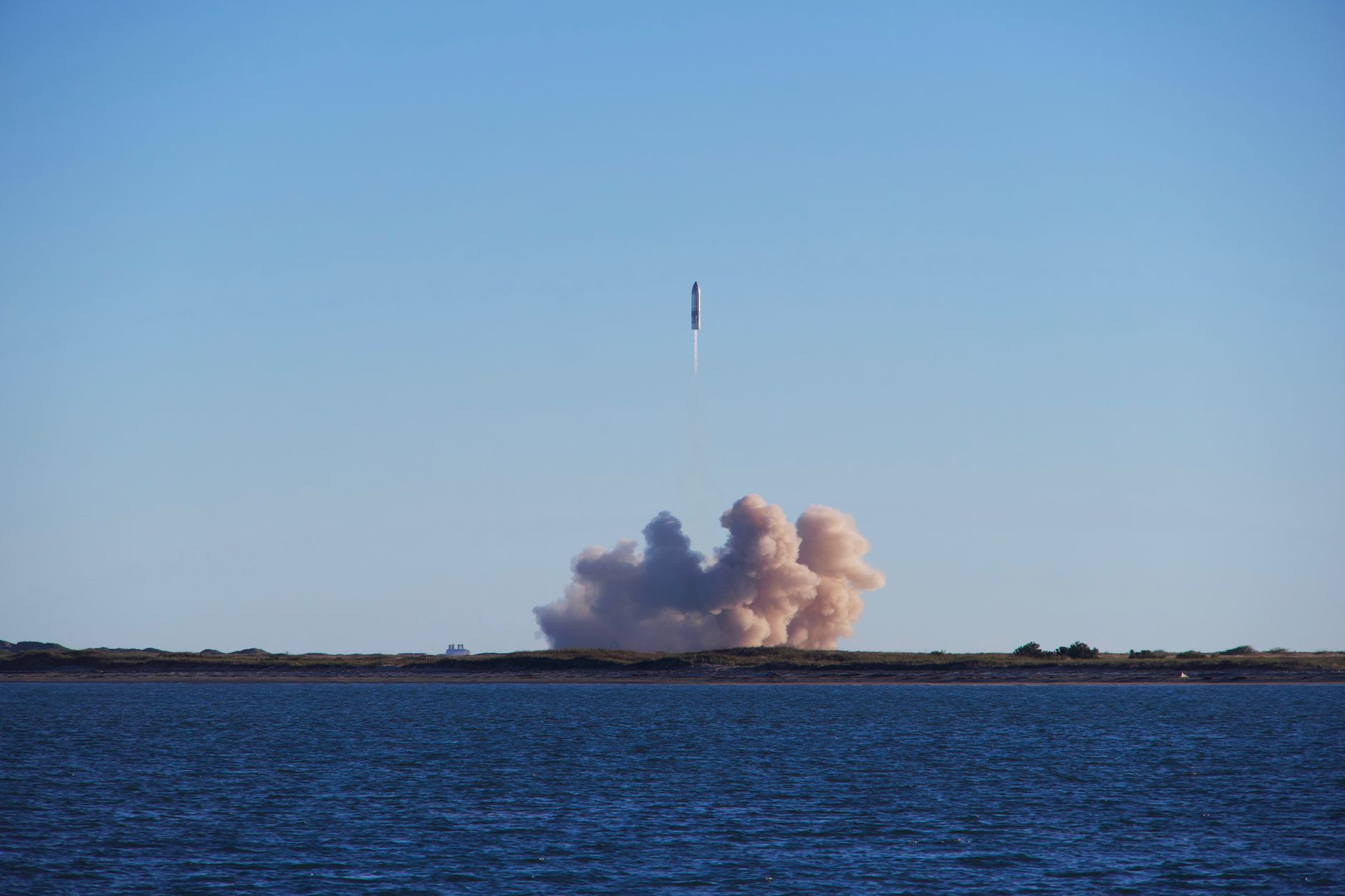
Nuri-Launched Microsatellites have made headlines as the first images were successfully transmitted to ground stations. This achievement marks a significant milestone in space technology.
Introduction to Nuri-Launched Microsatellites
The recent successful transmission of images from the five Nuri-launched microsatellites marks a significant milestone in space technology. These microsatellites, developed to enhance Earth observation capabilities, have already started delivering valuable data back to researchers and scientists.
Launched aboard the Nuri rocket, these microsatellites are equipped with advanced imaging technology that allows them to capture high-resolution photographs of the Earth’s surface. The initial images transmitted to the ground station demonstrate the potential of these microsatellites in various applications, including:
- Environmental Monitoring: Tracking changes in land use and natural resources.
- Agricultural Assessment: Evaluating crop health and planning efficient planting strategies.
- Disaster Management: Providing real-time data during natural disasters for timely response.
The successful transmission of these images showcases the capabilities of Nuri-launched microsatellites and paves the way for further advancements in satellite technology. As these missions continue, the insights gained will undoubtedly contribute to our understanding of the Earth and its dynamic systems.
Significance of the Recent Transmission
The recent transmission of images from the five Nuri-launched microsatellites marks a significant milestone in the realm of space exploration and technology. These microsatellites, which were deployed into orbit by the Nuri rocket, are equipped with advanced imaging systems that have successfully sent back high-resolution data.
This achievement not only underscores the capabilities of the Nuri-launched microsatellites but also enhances our understanding of various Earth processes. The transmitted images serve multiple purposes, including:
- Earth monitoring: The data collected can help in tracking environmental changes and natural disasters.
- Agricultural assessment: Farmers can utilize the images for improved crop management and planning.
- Urban planning: City planners can analyze land use patterns for better development strategies.
Moreover, the successful transmission of these images illustrates the reliability and efficiency of the Nuri-launched microsatellites, paving the way for future missions. As more data becomes available, researchers and scientists are optimistic about the potential discoveries that lie ahead.
How the Images Were Captured
The recent transmission of images from the Nuri-launched microsatellites marks a significant achievement in satellite technology. The process of capturing these images involved a series of advanced techniques designed to maximize clarity and detail.
Each microsatellite is equipped with high-resolution cameras that utilize cutting-edge sensors. These sensors are capable of capturing images in various spectrums, including visible light, infrared, and multispectral.
The capturing process can be summarized as follows:
- Orbiting: The microsatellites were placed in designated orbits to ensure optimal coverage of targeted areas.
- Image Acquisition: As they passed over specific locations, the cameras were activated to capture high-quality images.
- Data Transmission: Once the images were captured, data was processed onboard before being transmitted back to the ground station.
- Receiving Station: Ground stations utilized sophisticated software to decode and reconstruct the transmitted images.
This innovative approach to capturing and transmitting images showcases the potential of Nuri-launched microsatellites in various applications, from environmental monitoring to urban planning.
Technology Behind Microsatellite Launches
The technology behind the Nuri-launched microsatellites showcases significant advancements in satellite design and deployment. These microsatellites are equipped with state-of-the-art imaging systems that enable them to capture high-resolution images of the Earth. Their compact design allows for cost-effective production and deployment, making them a valuable asset for various scientific and commercial applications.
One of the key features of these microsatellites is their ability to transmit data efficiently. Utilizing advanced communication protocols, they ensure that the best-proven images are relayed back to ground stations with minimal delay. This capability is crucial for timely data analysis and decision-making in fields such as agriculture, urban planning, and disaster response.
Additionally, the Nuri-launched microsatellites benefit from innovative power management systems, allowing them to operate sustainably in orbit. The combination of these technologies not only enhances the performance of the satellites but also expands the potential for future missions, paving the way for more ambitious projects in space exploration.
Future Implications for Space Research
The successful transmission of images from the Nuri-launched microsatellites marks a significant milestone in space research and exploration. These small yet powerful satellites are paving the way for new possibilities in various scientific fields.
One of the key implications of this advancement is the enhancement of Earth observation capabilities. With improved imaging technology, researchers can monitor environmental changes, track natural disasters, and assess agricultural conditions more efficiently. This real-time data collection is crucial for timely decision-making and resource management.
Moreover, the data gathered by Nuri-launched microsatellites can contribute to climate change studies, offering insights into atmospheric conditions and global warming trends. The ability to deploy multiple microsatellites simultaneously allows for a more comprehensive coverage and a better understanding of complex systems.
Additionally, these microsatellites can serve as testbeds for new technologies, enabling future developments in larger space missions. As the industry continues to evolve, the role of microsatellites in advancing space research will undoubtedly expand, leading to innovative applications in both scientific and commercial sectors.
Challenges Faced During Transmission
The recent transmission of images from the Nuri-launched microsatellites has garnered significant attention, but the journey was not without its challenges. Several factors impacted the clarity and quality of the images received by ground stations.
- Signal Interference: The microsatellites experienced intermittent signal disruptions due to atmospheric conditions and radio frequency interference from other satellites.
- Data Compression: To optimize transmission speed, images were heavily compressed, leading to a loss of some detail that is crucial for scientific analysis.
- Power Limitations: The power output of the microsatellites fluctuated, which affected the strength and duration of the data transmission sessions.
- Orbital Decay: As microsatellites operate at low Earth orbit, their altitude gradually decreases, which can complicate stable communication with ground stations.
Despite these hurdles, the successful transmission of images from the Nuri-launched microsatellites represents a significant milestone in overcoming technical limitations, showcasing the potential of these small satellites for future space exploration.
Comparing Nuri with Other Launch Vehicles
The recent success of the Nuri-launched microsatellites has sparked interest in comparing this launch vehicle with others in the industry. One notable aspect is the efficiency and reliability of the Nuri rocket, which has demonstrated its capability to deliver microsatellites into precise orbits.
When compared to traditional launch vehicles, Nuri showcases several advantages:
- Cost-Effectiveness: Nuri offers a more affordable option for launching microsatellites, allowing for increased accessibility to space.
- Payload Capacity: With its robust design, Nuri can carry multiple microsatellites simultaneously, optimizing mission outputs.
- Launch Frequency: The Nuri rocket’s ability to perform frequent launches can accelerate satellite deployment schedules.
In contrast, other launch vehicles often experience longer wait times between launches and higher operational costs, limiting their feasibility for smaller missions.
As the success of Nuri-launched microsatellites continues to be analyzed, it is clear that this launch system is carving a significant niche in the competitive landscape of space exploration.
Expert Opinions on the Success
Experts in the field of aerospace and satellite technology have praised the recent success of the Nuri-launched microsatellites, particularly highlighting the clarity and quality of the images transmitted. Dr. Jane Kim, a satellite communications specialist, emphasized the importance of this achievement, stating, “The images sent back from the Nuri-launched microsatellites are not just remarkable; they set a new standard for microsatellite technology.”
Another expert, Professor Mark Lee, noted the significance of the transmission process, asserting that “The ability to receive high-resolution images from such small satellites demonstrates the advancements in our satellite capabilities and enhances our understanding of Earth.” He further explained that these developments could lead to improved applications in environmental monitoring and disaster management.
Additionally, Dr. Alice Wong, a researcher in satellite imagery, remarked, “This successful transmission from Nuri-launched microsatellites proves that we are entering a new era of satellite operation, where even smaller platforms can deliver impressive results.” This positive feedback from experts reinforces the potential impact of microsatellite technology on future space missions.
Photo by Forest Katsch on Pexels

