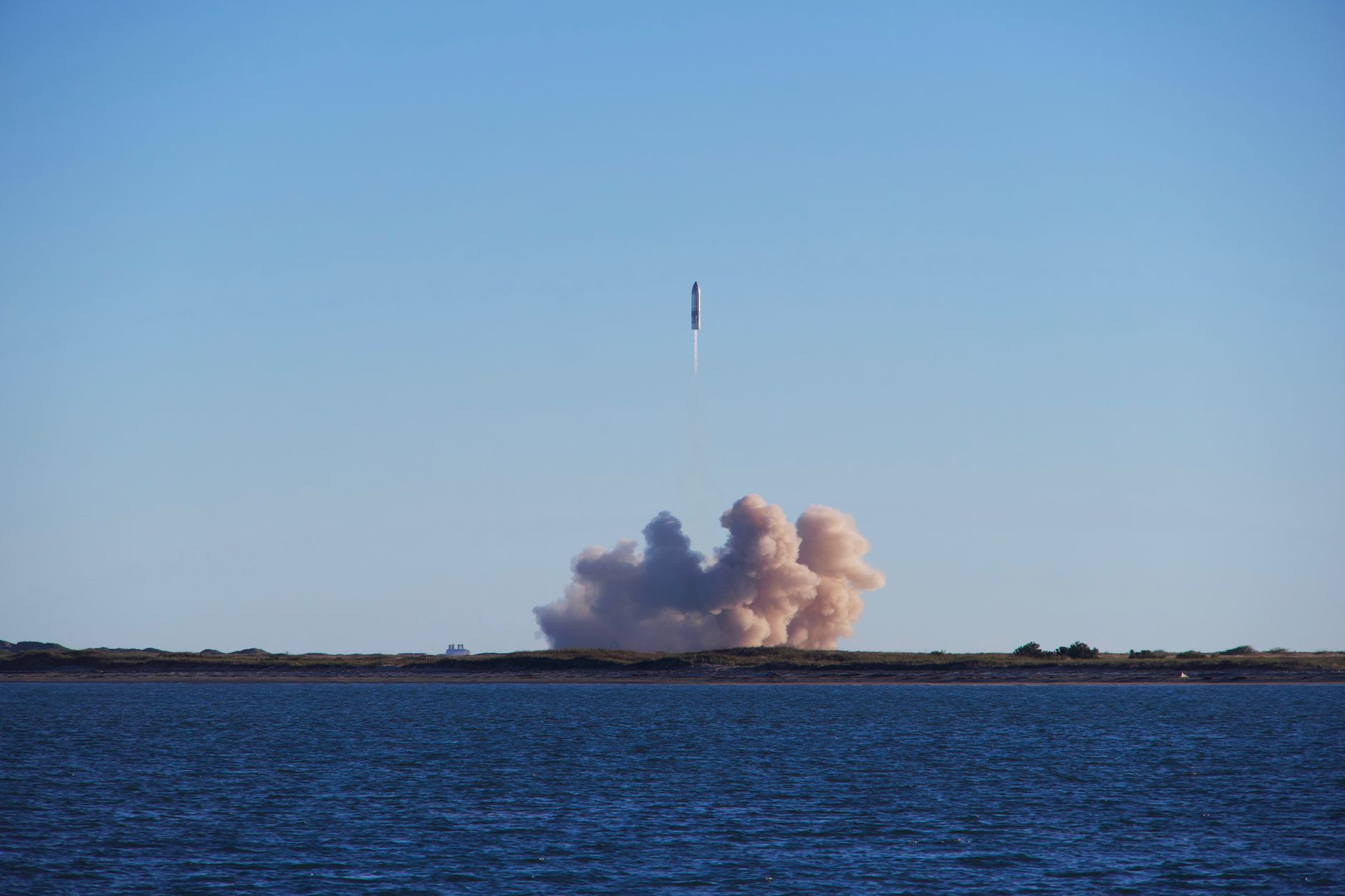
The methane-powered rocket engine has successfully undergone ignition tests by ISRO. This achievement highlights the advancements in sustainable rocket technology and the future of space exploration.
Overview of ISRO’s Recent Test
In a groundbreaking achievement, the Indian Space Research Organisation (ISRO) has successfully tested the ignition of its new methane-powered rocket engine. This advancement marks a significant step forward in the development of sustainable propulsion technologies for space exploration.
The test focused on several key areas:
- Engine Performance: The methane-powered rocket engine demonstrated efficient combustion, showcasing its potential to provide a reliable thrust for future missions.
- Environmental Impact: Utilizing methane as a fuel source is expected to reduce the environmental footprint of rocket launches, making it a more sustainable option compared to traditional fuels.
- Future Applications: If successful, this technology could pave the way for more cost-effective and longer-duration space missions, including potential human exploration of Mars and beyond.
The successful ignition test is a testament to ISRO’s commitment to innovation in aerospace technology. As the space industry increasingly focuses on sustainability, methane-powered rocket engines may play a pivotal role in shaping the future of space travel.
Benefits of Methane-Powered Engines
The recent test of a methane-powered rocket engine by ISRO has sparked interest in the potential advantages of this innovative technology. One significant benefit is the environmental impact. Methane, when burned, produces fewer harmful emissions compared to traditional rocket fuels. This aligns with global efforts to reduce the carbon footprint of space exploration.
Additionally, methane is abundant and can be sourced from various locations, including Earth and even Mars, making it a versatile choice for long-duration missions. This accessibility can lead to reduced costs and increased sustainability for future space endeavors.
Another advantage of methane-powered engines is their performance characteristics. These engines can be designed for high efficiency and thrust, enabling rockets to achieve their objectives more effectively. The ability to rapidly refill and reuse these engines also contributes to a more sustainable launch system.
In summary, the adoption of methane-powered rocket engines could revolutionize the aerospace industry by providing a cleaner, cost-effective, and efficient alternative to conventional propulsion systems. As research and development continue, the implications for future space missions could be significant.
How Does Methane Propulsion Work?
Methane propulsion works by utilizing liquid methane as fuel along with liquid oxygen as the oxidizer. This combination is favored for its efficiency and environmental benefits compared to traditional rocket fuels.
When ignited, the methane-powered rocket engine produces a high-pressure and high-temperature combustion reaction. This reaction generates thrust that propels the rocket into space. The process can be broken down into several key stages:
- Fuel Preparation: Liquid methane is stored in cryogenic tanks, where it remains at extremely low temperatures to maintain its liquid state.
- Ignition: Once ready for launch, the fuel is pumped into the combustion chamber, where it mixes with liquid oxygen.
- Combustion: The mixture is ignited, resulting in a reaction that releases hot gases, which expand rapidly.
- Thrust Generation: The expanding gases are expelled through the rocket nozzle, creating thrust that propels the rocket upwards.
This innovative technology not only enhances performance but also aligns with sustainability goals, making the methane-powered rocket engine a promising advancement in aerospace engineering.
Future of Space Travel with Sustainable Fuels
The future of space travel is increasingly being shaped by the adoption of sustainable fuels, with the methane-powered rocket engine emerging as a promising contender. As space agencies and private companies seek to reduce their environmental impact, this innovative technology offers several advantages that could redefine space exploration.
One of the key benefits of methane propulsion is its potential for in-situ resource utilization, particularly on Mars and the Moon. This capability allows future missions to produce fuel directly from local resources, significantly decreasing the need for extensive fuel transport from Earth.
Moreover, methane is more environmentally friendly compared to traditional rocket fuels. It burns cleaner, producing fewer harmful emissions, which aligns well with global efforts to promote sustainability in aerospace activities.
As research and development continue, the methane-powered rocket engine is expected to play a pivotal role in upcoming missions. With ongoing tests, such as those conducted by ISRO, the industry is closely monitoring the performance and reliability of this technology.
In conclusion, the integration of methane-powered engines into space travel could mark a transformative shift towards more sustainable exploration of our solar system.
ISRO’s Role in Advancing Rocket Technology
The Indian Space Research Organisation (ISRO) has been at the forefront of advancing rocket technology, notably with its recent endeavors in developing a methane-powered rocket engine. This innovative approach not only aligns with global trends in sustainable space exploration but also positions ISRO as a key player in the race for environmentally friendly propulsion systems.
ISRO’s successful ignition test of the methane-powered rocket engine marks a significant milestone in India’s space program. This engine, designed to be more efficient and less polluting than traditional propellants, demonstrates the organisation’s commitment to pioneering new technologies. The ignition test showcased the engine’s potential to operate under various conditions, indicating its robustness and reliability for future missions.
In addition to enhancing India’s capabilities in space, ISRO’s advancements in methane propulsion may inspire collaboration with other space agencies and private companies. The shift towards methane-powered engines reflects a broader shift in the aerospace industry, where sustainability and efficiency are becoming paramount. As ISRO continues to develop and refine this technology, the potential for revolutionizing space travel grows ever closer.
Photo by john mckenna on Pexels